 Cordaris’s Story:
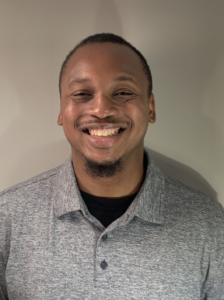
Cordaris Butler, Ph.D., is a neuropsychology fellow at the University of Texas San Antonio Health Science Center.. He earned his Ph.D. in Counseling Psychology from the University of Kansas. Before beginning his doctoral studies, he worked as a behavioral health case manager and psychotherapist, experiences that shaped his decision to pursue advanced training focused on mental health. After taking a neuroscience course during his first year of doctoral study, he became committed to a career in clinical neuropsychology. His clinical and research interests include aging and neurodegenerative disorders, brain health equity, cultural differences in neuropsychology, autoimmune disorders in neuropsychology, psychometrics, and functional neurological disorders. As an individual that was mentored through the New2Neuropsychology program, Cordaris enjoys providing mentorship to students through their educational journey and finding ways to give back to the neuropsychology community. In his free time, he enjoys playing video games, going on walks, reading comics, and spending time with his wife and two cats.
Professional Interests:
- Adult and Geriatric Neuropsychology
- Autoimmune Diseases in Neuropsychology
- Functional Neurological Disorder
- Brain Health Equity
- Cultural Differences in Neuropsychology
Education/Training:
- Bachelor of Science in Psychology (Louisiana State University at Alexandria)
- Master of Science in Behavioral Sciences – Counseling (Cameron University)
- Doctor of Philosophy (Ph.D) in Counseling Psychology
- Internship: Missouri Health Sciences Consortium (Neuropsychology Track)
- Current: Fellowship/Residency: University of Texas San Antonio Health Sciences Center
Current Organizational Affiliations:
- American Academy of Clinical Neuropsychology (AACN)
- New2Neuropsychology
- American Psychological Association – Member of Division 40 Society for Clinical Neuropsychology
Good Topics for Consultation:
- Navigating a career in clinical neuropsychology from a counseling psychology background
- Graduate school applications for Ph.D/Psy.D clinical and counseling psychology programs
- Acquiring neuropsychological assessment experiences for adult patient populations
- Maintaining research, clinical work, and leadership in graduate school
- Protecting your mental health throughout the graduate school experience
- Navigating through graduate school with a physical disability
 Dani’s Story:
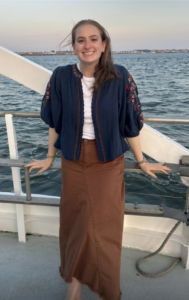
Dani is a 4th-year School Psychology PsyD student at Rutgers University Graduate School of Applied and Professional Psychology (GSAPP). Her interest in neuropsychology grew from recognizing how a deeper understanding of a child’s cognitive profile can help parents, teachers, and clinicians better understand a child’s unique presentation. Dani is particularly interested in pediatric neuropsychology, including working with children with overlapping neurological, psychiatric, and neurodevelopmental conditions. She is passionate about using neuropsychological findings to inform treatment planning and support functioning across school, home, and community settings. Throughout her training, she has gained experience conducting psychological evaluations in school settings, neurodevelopmental assessments in outpatient clinics, and neuropsychological evaluations in inpatient psychiatric settings.
Dani is especially interested in helping students understand the various pathways to neuropsychology. She enjoys discussing the many training and career opportunities in the field and mentoring students considering a career in neuropsychology. Outside of neuropsychology, Dani enjoys biking, tennis, traveling, and spending time with friends and family.
Professional Interests:
- Pediatric neuropsychology
- Differential presentation of pediatric psychiatric, medical/neurological, and neurodevelopmental conditions
- Pediatric epilepsy
- ADHD across the lifespan
Education/Training:
- College (Bachelor’s degree): Yeshiva University
- Graduate School: PsyD in School Psychology at Rutgers University GSAPP (current)
Current Organizational Affiliations:
- American Academy of Clinical Neuropsychology (AACN)
- American Psychological Association (APA)
- APA Division 40 – Society for Clinical Neuropsychology (SCN)
- National Academy of Neuropsychology (NAN)
- New York Neuropsychology Group (NYNG)
- New York State Association of Neuropsychology (NYSAN)
Good Topics for Consultation:
- Pursuing neuropsychology training from a school psychology background
- Developing a neuropsychology training pathway within a doctoral program without a formal neuropsychology track
- Balancing clinical work, assessment training, research, and leadership roles in graduate school
- Understanding pediatric neuropsychology across settings, including neurologically complex presentations and neurodevelopmental disorders
- Choosing between PsyD and PhD programs in psychology
 Emily’s Story:
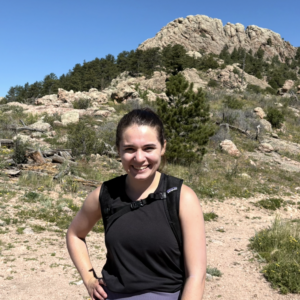
Emily is a 5th year Ph.D. student in clinical psychology at the University of Nebraska-Lincoln. Broadly, her interests are within the area of pediatric health neuroscience, examining associations between neural processing and health behavior engagement across development. She has experience conducting neurodevelopmental and neuropsychological evaluations for youth and providing psychological services in inpatient rehabilitation settings for children with brain injury, spinal cord injury, and other complex medical injuries. In addition, she is passionate about implementing advanced statistical methods into her research.
Emily entered a clinical psychology program directly out of college. She is passionate about helping students identify meaningful opportunities to prepare for graduate school and providing information about the pediatric neuropsychology training pathway. She enjoys sharing advice about graduate school applications, research experience, clinical work with kids and families, and navigating the transition from undergraduate studies into a doctoral program.
Emily loves running and hiking. In her free time, she enjoys attending sporting events and country music concerts.
Professional Interests:
- Pediatric neuropsychology
- Pediatric health neuroscience
- Pediatric cognitive rehabilitation
- Advanced quantitative methods
Education/Training:
- College – (B.A. in Psychology): Gonzaga University
- Graduate School – Current (Ph.D. in Clinical Psychology): University of Nebraska-Lincoln
Current Organizational Affiliations:
- American Psychological Association. Graduate Student Member.
- American Psychology Association Division 54. Graduate Student Member: Society of Pediatric Psychology
- American Psychology Association Division 40. Graduate Student Member: Society for Clinical Neuropsychology
- Association of Neuropsychology Students & Trainees (ANST)
- International Neuropsychology Society. Graduate Student Member.
- National Academy of Neuropsychology. Graduate Student Member.
- New2Neuropsychology
- Nebraska Psychology Association. Graduate Student Member.
Good Topics for Consultation:
- Starting a doctoral program directly out of undergraduate school.
- Navigating a clinical psychology program to maximize training in pediatric neuropsychology.
- Integrating pediatric psychology with pediatric neuropsychology.
- Training in pediatric rehabilitation centers.
- Balancing research (e.g., writing grants and manuscripts), clinical work, and leadership in graduate school.
 Emily’s Story:
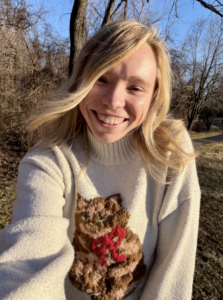
Emily is a fifth-year PhD student in clinical psychology at the University of North Dakota and incoming pre-doctoral intern at the UMass Chan Medical School and Worcester Recovery Center and Hospital in Worcester, Massachusetts. Her clinical and research interests combine forensic psychology (psychology applied to the law) and neuropsychology. She is interested in how serious mental illnesses, such as schizophrenia, and traumatic brain injuries, affect cognitive and daily functioning among people involved in the criminal legal system. She is especially passionate about helping people rebuild cognitive skills affected by mental illness and/or brain injury to improve their quality of life.
Having discovered neuropsychology later in her own doctoral training, she is committed to mentoring students who are exploring the field and who may be unsure of where to start. She enjoys helping students learn about the neuropsychology training pathway, sharing resources, and encouraging interest in this work as it is strongly needed for forensic populations and individuals with serious mental illness.
In her free time, Emily loves long distance running, reading, traveling, junk journaling, and spending time with her two Siamese cats.
Professional Interests:
- Forensic neuropsychology
- Competency restoration
- Cognitive remediation
- Co-occurring traumatic brain injury and serious mental illness
Education/Training:
- College (BA in Psychology and Criminal Justice): Seattle University
- Graduate School (MA in Forensic Psychology): Fairleigh Dickinson University
- Graduate School – Current (PhD in Clinical Psychology): University of North Dakota
- Internship Year – UMass Chan Medical School and Worcester Recovery Center and Hospital in Worcester, Massachusetts
Current Organizational Affiliations:
- New2Neuropsychology
- Division 41: American Psychology and Law Society (AP-LS)
- American Academy of Clinical Neuropsychology (AACN)
- International Association of Forensic Mental Health Services (IAFMHS)
- American Psychological Association (APA)
Good Topics for Consultation:
- Applying to graduate school for clinical psychology (PsyD vs. PhD)
- Conducting assessments, therapy, and competency restoration with individuals with serious mental illness (e.g., psychosis)
- Training in inpatient settings, such as state hospitals, correctional facilities, and community adult inpatient hospitals
- Learning how to enter the field of forensic neuropsychology and sharing resources
 Giselle’s Story:
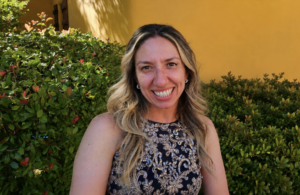
Giselle Carollo-DuPrey, Psy.D., is a neuropsychology intern at the South Texas Veterans Health Care System. She earned her Psy.D. in Clinical Psychology from California Lutheran University. Her clinical and research interests include cognitive rehabilitation, brain health equity, bilingual and culturally responsive neuropsychology, and care for veterans, caregivers, and adults with complex neurological and psychiatric conditions.
As a Latina immigrant from Brazil, multilingual trainee, and nontraditional student who returned to higher education later in life, Giselle is passionate about supporting students who may be navigating uncertainty about their path, sense of belonging, or access to mentorship in neuropsychology. She is especially interested in helping students understand the neuropsychology training pathway, explore graduate school options, and build confidence in their professional development.
In her free time, Giselle enjoys spending time with loved ones, playing with her dogs, exploring new places, and finding ways to stay connected to her Brazilian culture.
Fun Fact: Giselle speaks English, Portuguese, and Spanish.
Professional Interests:
- Adult and geriatric neuropsychological assessment
- Cognitive rehabilitation
- Brain health equity
- Bilingual and culturally responsive neuropsychology
- Veterans, caregivers, and rehabilitation populations
Education/Training:
- College (Bachelor’s degree): California Lutheran University
- Graduate School (M.S./Psy.D.): California Lutheran University
- Internship Year: South Texas Veterans Health Care System
Current Organizational Affiliations:
- New2Neuropsychology
- International Neuropsychological Society
- American Psychological Association – Division 40, Society for Clinical Neuropsychology – Association of Neuropsychology Students & Trainees (ANST)
- National Academy of Neuropsychology
- Hispanic Neuropsychological Society
- American Academy of Clinical Neuropsychology
Good Topics for Consultation:
- Navigating the path to neuropsychology as an immigrant and nontraditional student
- Preparing for graduate school applications and understanding Psy.D. vs. Ph.D. pathways
- Training in VA, academic medical, and rehabilitation settings
- Balancing clinical work, research, leadership, and professional involvement during graduate training
 Hillary’s Story:
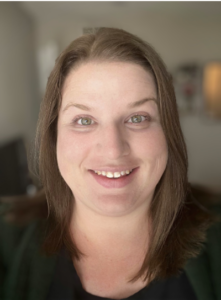
Hillary is a 5th year PhD student in the medical/clinical psychology program at the University of Alabama at Birmingham. Her research focuses on the neurobiological mechanisms underlying psychosis, with particular interests in cognitive functioning, early life stress, and functional brain connectivity. Clinically, she has trained in rehabilitation, transplant, neurology, and outpatient settings, experiences that have strengthened her interest in understanding how neurological and psychiatric conditions affect cognition and everyday functioning. As she prepares to apply for internship this fall, Hillary is excited to continue expanding her training in neuropsychology and contributing to research aimed at improving outcomes for individuals with neurological and psychiatric conditions. Hillary enjoys mentoring students interested in psychology and neuropsychology and is passionate about helping others navigate the competitive graduate school application process with confidence. Outside of school, she enjoys traveling, reading, baking, painting, and spending time with her cats.
Professional Interests:
- Adult and geriatric neuropsychology
- Neurodegenerative diseases and memory disorders
- Neuroimaging research
- Neuropsychiatric sequelae associated with neurodegenerative disorders
- Serious mental illness and psychosis spectrum disorders
Education/Training:
- Undergraduate (BA in Psychology; BA in Criminology, Law& Society): University of California, Irvine
- Graduate School (M.S. in clinical counseling): Rosalind Franklin University of Medicine and Science
- Graduate School – Current (PhD in Medical/Clinical Psychology): University of Alabama at Birmingham
Current Organizational Affiliations:
- Association of Neuropsychology Students & Trainees (ANST) — Division 40, Society for Clinical Neuropsychology
- New2Neuropsychology
- International Neuropsychological Society (Social Media Subcommittee trainee member)
- Society of Biological Psychiatry
- Schizophrenia International Research Society
Good Topics for Consultation:
- Applying to graduate school for clinical psychology (PsyD vs. PhD)
- Transitioning from a master’s program to a clinical psychology PhD program
- How to get involved in neuroimaging research
- Research involving psychosis and serious mental illness
- Neuropsychological assessment training opportunities for adult patient populations
- Training in academic medical centers and hospital-based settings
- Integrating clinical and research interests in neuropsychology
 Maddy’s Story:
Maddy is a fifth-year doctoral student in clinical psychology at the University of Denver and incoming pre-doctoral intern at the Colorado Mental Health Hospital in Fort Logan. Her interest in understanding the relationship between the brain and behavior began after joining a research lab studying traumatic brain injury in incarcerated populations during her master’s program in forensic psychology. She is particularly interested in neuropsychological assessment within the criminal legal system, as well as rehabilitation settings for individuals with brain, spinal cord, and polytraumatic injuries. She is eager to continue gaining experience in forensic neuropsychology during her internship training this year. Maddy is also excited to continue integrating clinical work, research, leadership, and mentorship within the field of neuropsychology as a N2N Student Liaison. Maddy grew up in Denver, CO and outside of school, she loves to do yoga and play with her dog, Mac (named after the band Fleetwood Mac).
Professional Interests:
- Forensic neuropsychology
- Cognitive rehabilitation
- Acquired brain injury and polytrauma
Education/Training:
- College (BA in Psychology): University of Colorado Boulder
- Graduate School – (MA in Forensic Psychology): University of Denver
- Graduate School — Current (PsyD in Clinical Psychology): University of Denver
- Internship Year – Colorado Mental Health Institute at Fort Logan
Current Organizational Affiliations:
- Association of Neuropsychology Students & Trainees (ANST) — Division 40, Society for Clinical Neuropsychology
- Student Leadership Network (SLN) — Division 22, Rehabilitation Psychology
- Asian Neuropsychological Association
- American Psychological Association of Graduate Students
- New2Neuropsychology
Good Topics for Consultation:
- Training in inpatient settings, such as rehabilitation hospitals, academic medical centers, or correctional facilities
- Applying to graduate school for clinical psychology (PsyD vs. PhD)
- Balancing research, clinical work, and leadership in graduate school
- Navigating the intersection between forensic psychology and neuropsychology